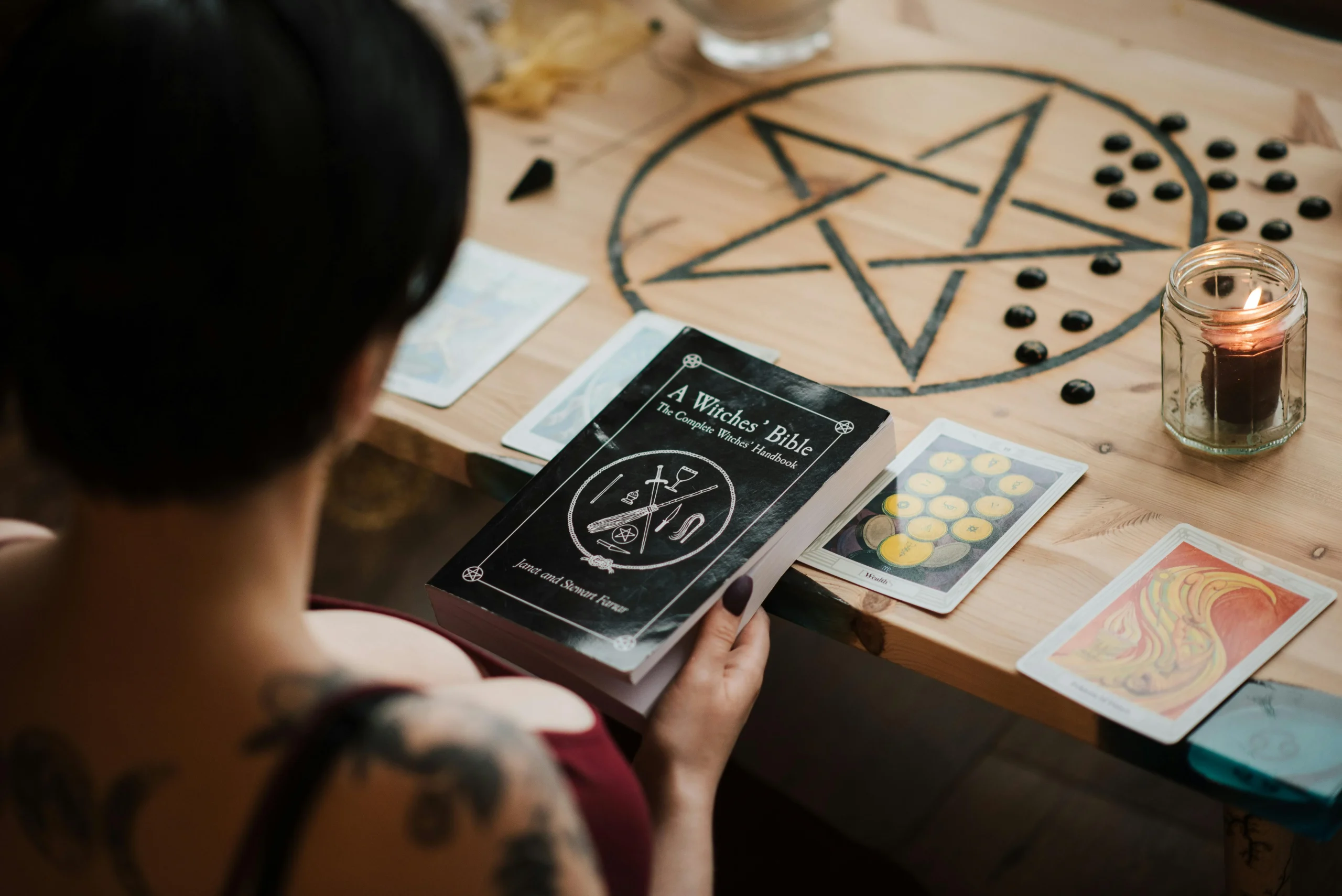
A esoteric love bond It is an intentional ritual—part of magical and spiritual traditions—aimed at creating, strengthening, or restoring an emotional bond between two people. It is based on the premise that thoughts, emotions, and intentions are forms of energy that can be focused, channeled, and directed through symbols, words, gestures, and specific materials to influence relational dynamics.
Origins and cultural framework
Binding practices have ancient roots: from folk Europe with love knots and ritual prayers, to Afro-Brazilian and Caribbean traditions employing spells, to shamanic and magical rituals of the Middle East. Each culture has developed different techniques (talismans, potions, amulets, knots, seals) but with a common thread: the use of focused intent to direct energy toward a relational outcome.
Theoretical principles: energy, correspondences and intention
- Everything is energy: Emotions and thoughts produce vibrations that can resonate with the vibrations of others; ritual amplifies, harmonizes, or rebalances these frequencies.
- Symbolic correspondences: Elements (plants, colors, days of the week, celestial bodies) are chosen for their symbolic resonance with the intent (e.g. rose for romantic love, sandalwood for attraction).
- Intention as a driving force: The effectiveness of the ritual depends on the clarity and strength of the intention of the person performing it; technically correct rituals that lack a central intention are weak.
- Psychological synergy: In addition to the energetic aspect, the ritual acts on the person who commissions it and on the operator, encouraging changes in attitude, greater confidence and behaviors that realize the energetic results.
Types of love ties
- Attraction bonds: designed to open up meeting opportunities, increase personal attractiveness, and attract potential partners.
- Strengthening ligaments: They aim to solidify an existing relationship, recover intimacy, trust and passion.
- Recovery ligaments: Focused on reconciliation after a separation, they work on emotional memory, forgiveness and emotional resonance.
- Protective and stabilizing ligaments: they create an energetic “cover” around the couple to preserve their harmony.
- Love talismans and amulets: charged and blessed items to maintain the effect over time.
Most used tools and symbols
- Candles: color and number chosen by correspondence (red/pink for passion, white for purity).
- Herbs and essential oils: Rose, lavender, vanilla, cinnamon; used for their emotional and vibrational resonance.
- Crystals: Rose quartz for love, amethyst for emotional balance, obsidian for protection.
- Photographs and personal items: They serve as energetic anchors to connect intent to the desired reality.
- Knots and fabrics: the knot as a symbol of bond, the fabric as an energy container.
- Seals, words and formulas: ritual writings that condense the intent into a sign.
- Astrological dates and times: Some traders choose propitious moments according to the moon or planetary position.
Stages of a typical ligament
- Preparation: cleansing the space (incense, holy water), gathering tools, establishing protections.
- Personal purification: meditation, ritual baths, symbolic fasting, or breathing exercises to align the practitioner and the seeker.
- Intent Charge: Clear formulation of the goal, verbal or written statement of intent; use of deep visualization.
- Performing the ritual: lighting candles, using herbs/crystals, knots, vocal formulas, pourings or sealings.
- Closing: thanks, controlled extinguishing of candles, disposal or safe storage of ritual objects.
- Follow-up: practical advice for the applicant (meditations, recommended behaviors, realistic timeframes) and, if necessary, follow-up sessions.
Why many people seek love connections to get back together
- The desire to heal emotional wounds and reconnect broken emotional threads: the bond can offer an “energetic boost” to reopen channels of communication.
- Feeling stuck: When rational attempts aren’t enough, ritual provides an alternative mode of intervention that works on subtle levels.
- Hope and emotional support: the ritual process provides structure, meaning, and hope, useful elements in the reconciliation process.
Psychological side and placebo
Many results attributed to binding stem from the placebo effect and the internal change in the seeker: feeling supported and more confident leads to different attitudes (calmer, more conciliatory, more present) that facilitate reunion. A serious practitioner often integrates self-work techniques (visualizations, communication practices) to translate the ritual experience into concrete behavioral changes.
Risks, limitations and ethical aspects
- Free will: Trying to force someone else’s will is ethically controversial and can have energetic repercussions. The best practitioners avoid or discourage behaviors that violate consent.
- Energy side effects: Poorly performed or improvised practices can create imbalances, feelings of fatigue, sleep disturbances or temporary emotional disturbances.
- Unrealistic expectations: There are no absolute guarantees; esoteric work offers a boost, not total control over someone else’s destiny.
- Emotional abuse: Using rituals to manipulate vulnerable people is morally wrong and dangerous.
Importance of being followed by a competent esoteric operator
- Ethical and practical-realistic evaluation: A good practitioner assesses the situation, recommends alternatives (couples counseling, therapy) if necessary, and refuses cases where the work risks violating free will.
- Technical experience: Knows correct correspondences, tenses, formulas, and sequences; avoids errors that could compromise the result.
- Proper protection and closure: can prepare energy shields, cleansing and energy chelation techniques to prevent adverse effects.
- Personalization: Adapt the ritual to the emotional, cultural, and personal history of those involved; a “one-size-fits-all” approach is often ineffective.
- Post-ritual support: provides practical and mental guidance for integrating change and monitoring the evolution of the relationship.
- Reducing legal and psychological risks: The experienced operator knows when to refer the client to professional resources (psychological, legal) if the situation requires it.
Practical examples (described in a generic way)
- Cloth knot binding: Two pieces of cloth with each person’s name tied together with three knots, anointed with oil and placed under a candle for three nights, with prayers and visualizations.
- Photo seal: Drawing a specific seal on a photo, dusting it with herbal powder, and sealing it with wax; kept in a sacred place for thirty days.
- Personal Talisman: Creation of an amulet charged during the waxing moon and worn by the querent as an energetic reminder.
(Note: Examples are provided here for descriptive purposes; detailed instructions are not provided for practices that may have complex ethical or energy implications without the support of a competent practitioner.)
When to choose the ligament and how to prepare
- Choose the bond when there is still dialogue or at least a real potential for reconciliation.
- Honestly evaluate your motivations: desire for control vs. desire for care.
- Contact an operator with references, traditional training, and testimonials.
- Prepare yourself emotionally: work on yourself (self-esteem, responsibility, clarifying your expectations).
Testimonials and Results: What to Expect
Results vary: some report rapid reunions, others slow progress, or internal transformations that lead to different choices (sometimes restoring the relationship isn’t the final outcome, but the ritual helps to achieve healthy closure). The sustainability of the results depends on the combined effort: ritual energy + practical changes in the relationship.
Final considerations
The esoteric love spell is a powerful tool that works on subtle and emotional levels: it can attract, strengthen, or foster the recovery of love when used with clear intention, ethical responsibility, and professional support. It is not a magic wand: its effectiveness increases when the ritual work is accompanied by personal transformation, sincere communication, and, if necessary, external professional help.